 1980 Sista sänkningen-2017
[ Innehåll
]
|
|
|
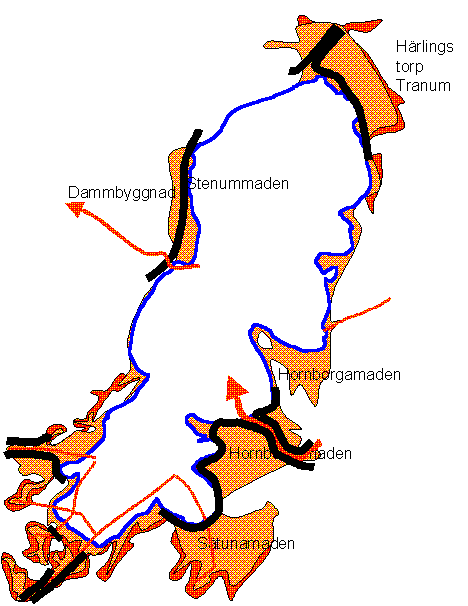
Summary down below IntroduktionSommaren 1967 undersöks efter påtryckningar på Regeringen förutsättningarna för att säkerställa.... och föreslå åtgärder oundgängligen nödvändiga för att säkerställa Hornborgasjöns framtid.... Att infria detta mål innebar förberedelsearbeten och vattenståndshöjningar i två steg. Utredningen lämnades 73 efter en omfattande limnologisk, teknisk och ornitologisk bedömning. Regering, Riksdag och Vattendomstolen ser positivt på möjligheterna att äntligen få slut på en snart 200 årig process. SNV tar över men lämnar ingen plats för de i utredningen insatta, tvärtom visar det sig att de avvisar samarbete efterhand som SNV smider andra planer. Vill Du kunna mer limnologi för att bättre förstå varför det fortfarande finns kritik mot SNV agerande ? Figuren visar SNV förslag med utvidgade vallar som utredningen tidigare avvisat, men som SNV vill driva. Kostnaderna för vallkonstruktionen överstiger vida eventuella vinster för jordbruket. Geotekniska problem överraskar då bottnarna inte medger hur mycket vallar som helst. Den enda vall som är motiverad är utskovsdammen, som är till för att reglera flödena ut ur sjön. Vallarnas fördelning över sjön kom att bli ett argument för att förkasta utredningsresultatet. Att frågor av detta slag egentligen tillhörde vattendomstolen att hantera förbisågs. Men nu är skada skedd.I december 82 informeras allmänheten om att SNV planerar att ändra utredningens förslag. Under tiden har SNV lagt till ett antal vallar från utredningens föreslagna 750 m till 25 km (viss skillnad). Regeringen ger dessutom SNV bakläxa på ytterligare vallar, som SNV mot alla tidigare förslag velat ha. Men skam den som ger sig. Man lyckas med konststycket att få Sveriges Naturskyddsförening och Sveriges Ornitologiska förening med stöd av GU och ny kunskap att genomföra ett helt nytt alternativ utan vallar, vilket innebar en sänkning av sjön från en vattennivå på +140 - 150 till blott +80 cm. Ock med en oinsatt opinion bakom sig tvingar man Regeringen att ändra sig. Vag vallplanering och påstådd ny kunskap från någonstans, satte stopp för vidare planering och man nöjer sig med enbart en vattenhöjning om 80 cm. Detta i motsats till utredningsdirektiven. Sjön kommer att svara med en tilltagande överproduktion och sedimentering och ett för tidigt accelererat åldrande. Den lägre vattennivån gynnar låga syretal, med åtföljande intern förorening, som nu påverkar inte minst Flian. Enbart en vattenståndshöjning på 80 cm ger bara synbara vinster under något årtionde. Men sedan händer något under 1982, där man från SNV inte vill höja mer än 80 cm, man tar tillbaka ansökan från vattendomstolen. Kan vara att SNV bakbundit sig och utlovat mer vallar än som utredningen framfört som skäliga. Det visar sig att de vallar man föreslagit saknade grund i dubbel bemärkelse. Det går inte att bygga vallar hur som helst på dessa torvmarker ovan grusbädd, något som utredningen redan framhållit. Den sjö som nu skapats ger inte bestående resultat. Hur denna manipulation av vetenskap och beprövad erfarenhet gått till och hur man fått den ideella naturvården att bli ett lydigt redskap är närmast ofattbar. Det sätt på vilket den limnologiska, ornitologiska och tekniska expertisen hanterades saknar motstycke inom Svensk naturvård. SNV representanter försvarar sig medPlan 72 baseras på kunskap från 1972 medan den nya kunskapen baseras på ytterligare 15 års erfarenheter och risken för överväxt är dessutom betydligt överdriven påpekar man. Den gamla utredningen centrerade sig bara på limnologiska problem, men restaurering är vidare än så. Den nya planen baseras på våtmarksekologi inkluderande strandängar och strandskog. Gamla planen föreslog 25 km vall (vill man göra gällande), som innebar att flera kvadratkilometer strandäng undandras fåglarna. En restaurering är inkomplett utan detta. Konkurrens från fågel jagande fiskar och mat konkurrerande fiskar är också ett argument för att låta det syrefattiga vintervattnet ta död på fisken. Kravet på att prioritera fågelfaunan är vägledande för SNV nya taktik. Det är troligen därför inte bara Regeringen utan också naturvården och fågelskyddet understött denna plan ! Vi kanske måste korrigeraNärmare ett kvarts sekel har gått sedan plan 73 var klar. Då hade 7.5 km2 vassområden helt el delvis åtgärdats (av planerade 11) inom ramen för forskning och utredning. Under 1982 har en trojka, ej insatt i problematiken kring Hornborgasjön från Naturvårdsverket föreslagit en nivåhöjning till blott 80 cm. Detta utan att vilja samarbeta med de inom olika avsnitt ansvariga tidigare utredarna. April 1988 begärde Naturvårdsverket att dra tillbaka plan 72. Som skäl var att man inte hade teknisk teckning för de vallar man adderat till 73 år utredning. (från 750 m till 25 km.) Ytterligare krav på vallar refuserades av Regeringen ! Riksdagen refuserade att dra tillbaka plan 72 så sent som 1988-12-07. Skyddet av åkermark som var ett av motiven för ändring av planen skulle ju regleras av Vattendomstolen allt enligt den tidigare utredningen. Det politiska debaclet i samband med detta resulterade i att man höjer endast till 0.8 m istället för 1.0 m,( som tillhörde den första fasen i höjningen). Det är mot varje professionellt råd, att Hornborgasjön nu fångas i en åldringsprocess, där ingen återvändo finns. Vid detta låga vattenstånd kommer säven att lämna strandzonen och kolonisera övrigt öppet vatten omöjliggöra isskjutning och transport. Dessa bestånd utgör nya sedimentationshärdar för detritus. Nyintroducerad bottenhantering innebär vidare en ökad "verlandungs" process i sjön. Det är beklagligt att Hornborgasjön projektet inte kunnat fortsätta längs samarbetets väg av professionellt teamarbete, som karakteriserade dess första konstruktiva fas. Summary
|